$11.3K+
Recovered after Onsite’s fee
Gordon’s share from its motor vehicle accident billing program.
Gordon Fire and Rescue works with an annual fire budget below $50,000. With Onsite handling motor vehicle accident billing and insurer follow-up, the department recovered more than $11,300 after Onsite’s fee, without adding fire staff.
Gordon’s share from its motor vehicle accident billing program.
An addition of roughly 30% to Gordon’s existing annual fire budget of less than $50,000. This reflects Gordon’s results, not a forecast.
Motor vehicle accident response records brought together for documentation, insurer follow-up, and recovery reporting.
Gordon Fire and Rescue serves a Georgia community of roughly 1,700 residents with an annual fire budget below $50,000. Its motor vehicle accident responses still require personnel, apparatus, supplies, and documentation.
Gordon wanted to recover eligible response costs without adding fire staff. Once the incident information was collected, someone still needed to prepare the claim and follow up with the insurer.
Gordon wanted insurance follow-up handled without adding a billing role for its firefighters.
Onsite bills insurers only. Residents and individuals are never billed, including after a denial.
The work began with the information from Gordon’s motor vehicle accident responses. Onsite organized that documentation, prepared the insurance claims, and followed up with carriers.
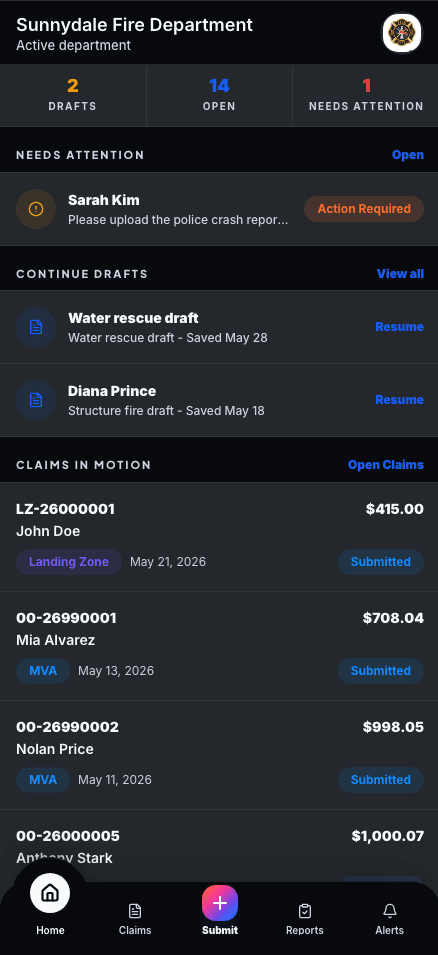
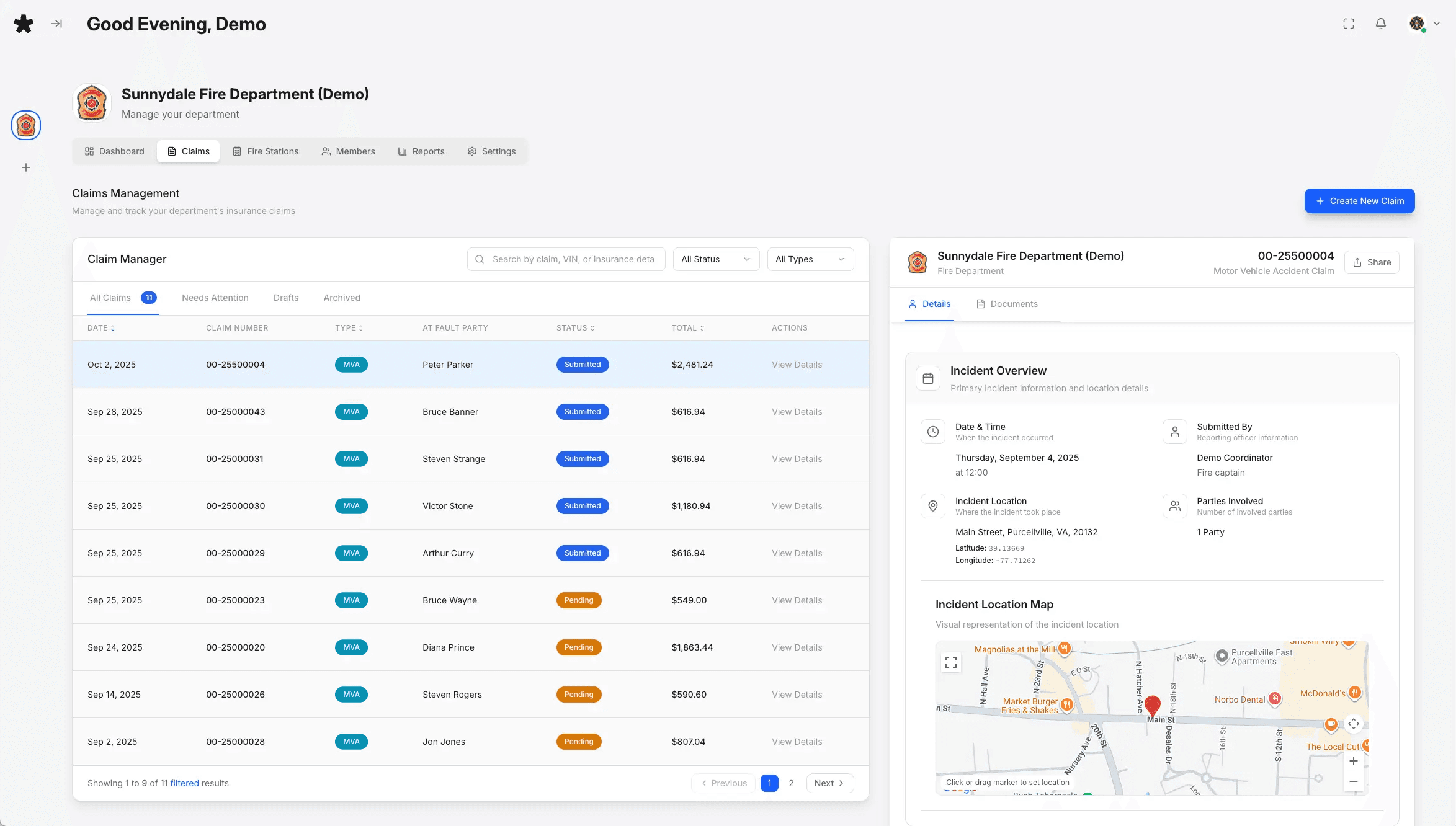
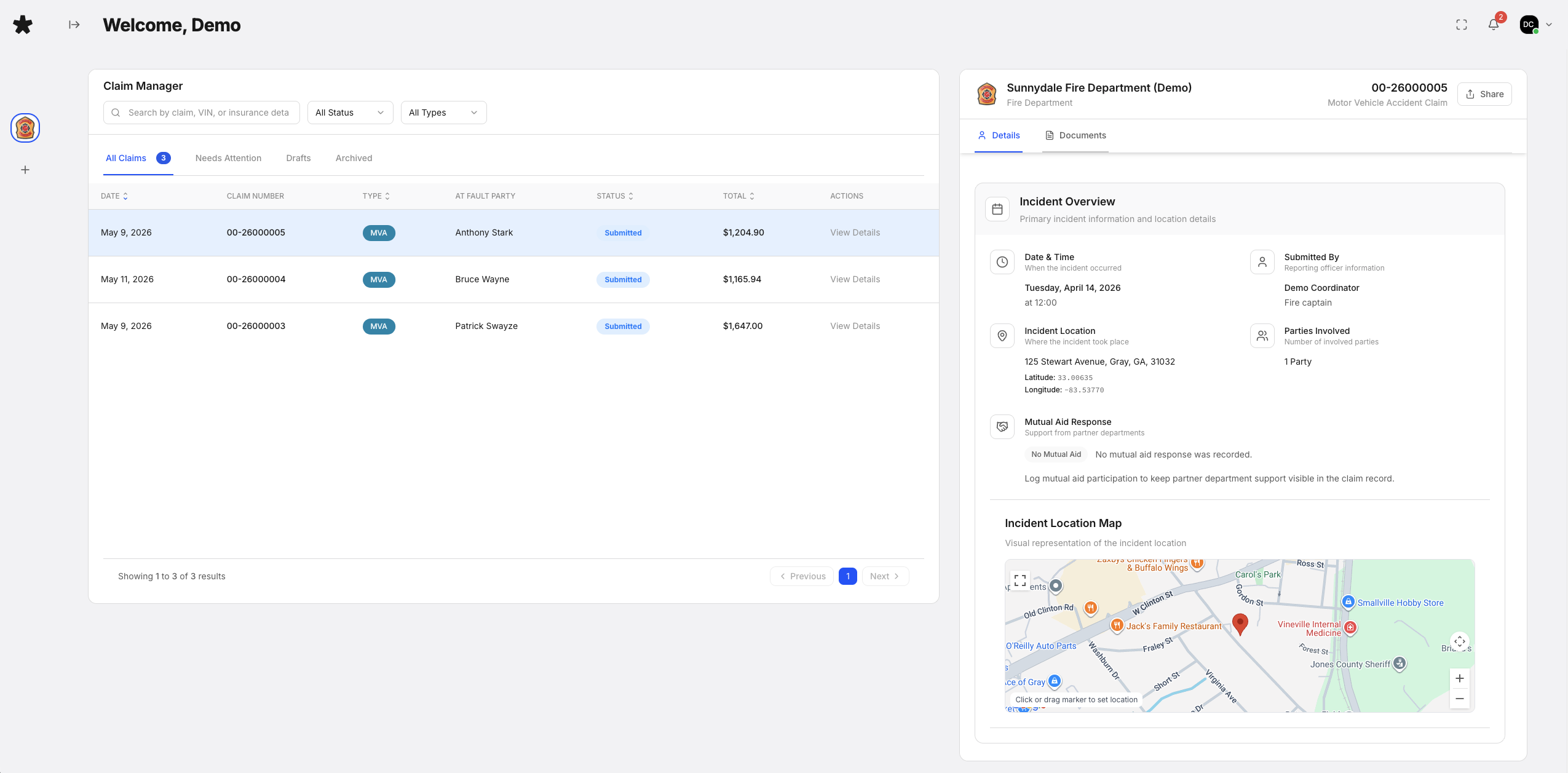
Gordon could review claim activity and reports in Recovery Hub while Onsite handled the insurer communication. The department stayed informed without taking on the billing work itself.
Gordon provides the response details and available records from its motor vehicle accident calls.
Onsite organizes the response details and supporting documentation for the insurance claim.
Onsite handles communication with the auto insurer and follows the claim through the billing process.
The department can review recovery activity and reports in Onsite Recovery Hub.
Gordon recovered more than $11,300 after Onsite’s fee. The department reported that this added roughly 30% to its existing annual fire budget of less than $50,000, giving it more funds for the work ahead.
The program organized 45 motor vehicle accident responses for review. These results belong to Gordon’s experience; recovery for another department will depend on its incidents, documentation, applicable requirements, and insurance coverage.
"For a small department like ours, every dollar has to work hard. Onsite Fire Billing gave us a simple way to recover eligible motor vehicle accident response costs without adding more paperwork to our firefighters, passing a new ordinance, or asking our community to shoulder the burden through higher taxes."
Tell us about your calls. We’ll walk through the billing process and the 90-day pilot. Insurer payment timing varies.